
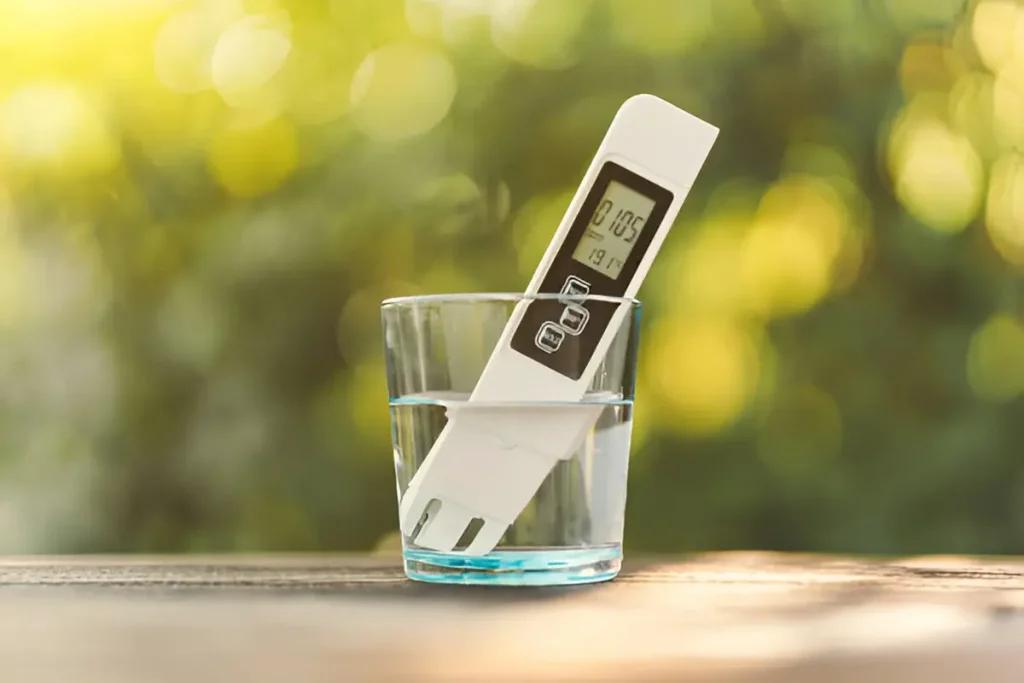
For many residents in New Jersey, particularly those who rely on private wells, the pristine image of “well water” as naturally pure is a common misconception. In reality, New Jersey’s complex geology makes naturally occurring arsenic a significant concern for thousands of households. Because this element is both odorless and tasteless, many families may be consuming it without ever realizing it.
Understanding where arsenic comes from, how it affects your health, and how to test for it is a critical part of being a responsible homeowner in the Garden State.
Where Does the Arsenic Come From?
Arsenic is a naturally occurring element found in the Earth’s crust. In New Jersey, the presence of arsenic in groundwater is primarily a geological issue rather than a result of industrial pollution, though historical land use can occasionally play a role.
The element is often found in the bedrock formations that underlie large parts of northern and central New Jersey, particularly in the Piedmont, Highlands, and Valley and Ridge Physiographic Provinces. In these areas, the chemical weathering of rocks—specifically black shale—releases arsenic into the local groundwater. As water moves through these fractured rock aquifers, it dissolves the arsenic and carries it into your well.
While nature is the primary source, it’s worth noting that historical agricultural practices, such as the use of arsenical pesticides in the 20th century, can sometimes lead to localized hotspots in the soil and shallow groundwater. However, for most private well owners in New Jersey, the primary culprit is simply the unique geology beneath their feet.
The Health Risks of Chronic Exposure
The reason New Jersey has implemented such a rigorous standard for arsenic—setting a Maximum Contaminant Level (MCL) of 5 micrograms per liter ($µg/L$), which is more protective than the federal standard—is due to the well-documented health risks associated with long-term exposure.
Drinking water containing elevated levels of arsenic over many years has been linked to several serious health outcomes, including:
- Increased Cancer Risk: Chronic ingestion is associated with higher rates of bladder, lung, liver, kidney, and skin cancers.
- Cardiovascular and Metabolic Issues: Studies suggest links to heart disease and diabetes.
- Developmental Concerns: Fetuses, infants, and young children are particularly vulnerable. Exposure during pregnancy and early childhood can potentially affect cognitive development and has been linked to lower IQ scores.
Because these health effects often manifest after years of exposure, “wait and see” is never an appropriate strategy for water quality management.
Testing: The Only Way to Know
Because arsenic cannot be detected by sight, smell, or taste, you cannot rely on the physical appearance of your water to determine its safety. If you own a private well, you are responsible for monitoring your own supply.
The Private Well Testing Act (PWTA) in New Jersey is designed to ensure that property buyers and tenants are aware of water quality, but it should not be viewed as a comprehensive health check-up for long-term residents. Whether you are buying a home or have lived in one for years, periodic professional laboratory analysis is the only way to get accurate data.
If you are concerned about your water, you can look into our testing services to see exactly what we monitor and how we can help you identify if arsenic is present.
Remediation: What To Do If Arsenic Is Found
If your test results show arsenic levels above the 5 $µg/L$ threshold, don’t panic. There are proven, effective methods to remove it. The New Jersey Department of Environmental Protection (NJDEP) generally recommends a whole-house, two-tank adsorption system.
- Point-of-Entry (POE) Systems: These treat all the water entering your home. A dual-tank system is often recommended because it provides a “safety” buffer, ensuring that even when the first tank begins to lose efficiency, the second tank continues to capture any remaining arsenic.
- Point-of-Use (POU) Systems: If the arsenic levels are relatively low, a high-quality filter installed specifically at your kitchen sink (where you get your drinking and cooking water) may be a more cost-effective option.
It is important to note that boiling your water will not remove arsenic—in fact, it can actually concentrate it as water evaporates. Always consult with a water treatment professional to select a system that is certified to remove arsenic for your specific water chemistry.
Taking Control of Your Water Quality
You don’t have to navigate these concerns alone. By understanding the geology of your area and staying proactive with testing, you can take control of your home’s environment.
We encourage you to visit our FAQ section for answers to common questions about water treatment, or browse our what we test page to understand the full spectrum of contaminants that could be impacting your well. When you are ready to ensure your water is safe, contacting our team is the fastest way to get reliable, professional answers.
We serve a wide variety of locations across New Jersey and are here to help you protect your family’s health. For more insights on maintaining your well, keep following our blog—knowledge is the best defense against invisible threats.