Every parent, teacher, and administrator shares a fundamental goal: to provide a safe, nurturing environment where children can learn and thrive. While we often focus on classroom safety, physical security, and academic excellence, one of the most critical aspects of health is frequently invisible: the quality of the water flowing through the building’s pipes.
For schools and childcare facilities, ensuring clean, safe drinking water is not just a best practice; it is a vital public health responsibility. Because children are physically more vulnerable to the effects of water contaminants—such as lead, copper, and PFAS—than adults, proactive water testing is an essential component of facility management.
Why Water Quality Matters in Educational Settings
Schools and daycare centers are often located in older buildings. In many parts of the country, including across New Jersey, aging infrastructure remains a common challenge. When plumbing systems contain lead pipes, lead solder, or brass fixtures, the risk of leaching into the water supply increases, especially if the water sits stagnant over weekends or long school breaks.
Children spend a significant portion of their day in these facilities, consuming water from fountains, using it to wash their hands, and eating meals prepared on-site. Even small, chronic exposure to contaminants like lead can have lasting effects on a child’s development, including cognitive impairment, behavioral issues, and physical health challenges.
By prioritizing regular water testing services, administrators can move from a state of uncertainty to one of verified safety.
The Risks: What Are We Testing For?
Water quality issues are not always detectable by sight, smell, or taste. Contaminants can enter the water supply from environmental sources, industrial runoff, or the building’s internal plumbing. Some of the primary concerns for school and childcare facilities include:
Lead and Copper
These are the most common concerns in educational facilities. Lead typically enters the water through the corrosion of plumbing materials. Since there is no “safe” level of lead exposure for children, identifying the source of contamination is critical.
PFAS (Per- and Polyfluoroalkyl Substances)
Often referred to as “forever chemicals,” PFAS have become a major focus of laboratory analysis in recent years. These man-made chemicals are persistent in the environment and have been linked to various health risks. Ensuring that school water is free from these contaminants is becoming a standard requirement for many districts.
Bacteria and Nitrates
Schools on well water systems face different challenges than those on municipal supplies. Biological contaminants like coliform bacteria or chemical pollutants like nitrates require frequent monitoring to ensure the water remains potable and safe for consumption.
Regulatory Standards and Responsibility
In many states, including New Jersey, the government has implemented strict guidelines regarding water testing in schools to protect student health. Compliance is not just about avoiding fines; it is about transparency with parents and the community.
When you partner with a certified facility, you ensure that all testing protocols meet state and federal standards. Proper documentation of these results is essential for maintaining the trust of the families you serve. If you are uncertain about the specific requirements for your district, consulting with local experts can provide clarity on the testing frequencies and reporting mandates applicable to your specific area.
The Process: From Sampling to Solutions
Many administrators worry that testing will be disruptive or overly complex. In reality, a professional testing process is designed to be seamless.
- Site Assessment: A professional team surveys the facility to identify all “points of use,” such as water fountains, kitchen sinks, and classroom faucets.
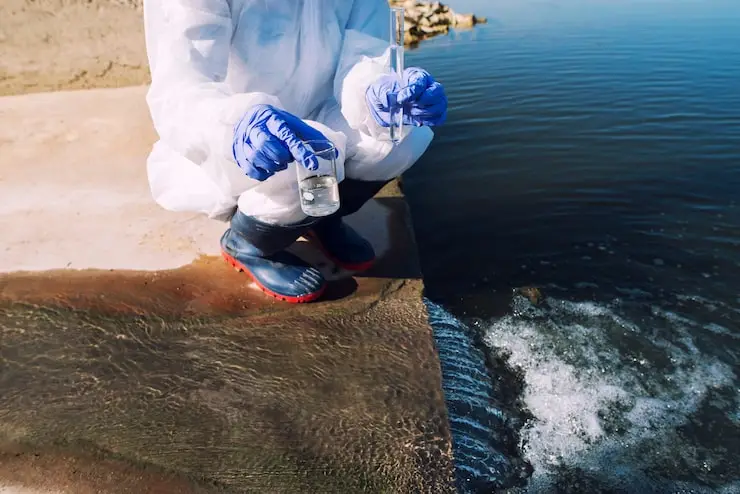
- Strategic Sampling: Samples are collected during specific conditions (often after a period of stagnation) to ensure the results reflect the “worst-case scenario” for lead or copper leaching.
- Laboratory Analysis: Samples are sent to a state-certified lab where they undergo rigorous testing to detect even trace amounts of contaminants.
- Reporting and Guidance: You receive a comprehensive report. If any contaminants are found above recommended levels, the report should include actionable advice, such as flushing protocols, fixture replacement, or the installation of certified filtration systems.
For more information on what to expect, many facilities find it helpful to review our FAQ section to understand the technical nuances of the process.
Building Trust Through Transparency
For parents, the knowledge that a school takes water quality seriously provides tremendous peace of mind. Transparent communication—sharing the results of your water tests and your proactive maintenance plan—strengthens the bond between the institution and the community.
When you work with a trusted, local provider, you are not just getting a test result; you are getting a partner in safety. Whether you need an initial baseline test or routine monitoring throughout the academic year, having an established relationship with a testing team ensures that any potential issues are addressed quickly and correctly.
Taking Action Today
The safety of our children should never be left to chance. Whether you manage a small daycare or a large school district, the first step toward a safer environment is understanding exactly what is coming out of your taps.
The EPA’s 3Ts program (Training, Testing, and Taking Action) offers a robust framework for schools to follow, but it starts with professional, accurate data.
If you are a school administrator or a daycare owner in the area, we are here to support your efforts. You can contact us today to discuss your facility’s needs or to schedule a comprehensive water audit. By taking these proactive steps, you are investing in the health and future of the children who walk through your doors every day.
For more information on our services or to stay updated on water quality standards, feel free to browse our blog for helpful tips and industry insights.