For many New Jersey homeowners, the independence of a private well is one of the joys of property ownership. You aren’t beholden to municipal utility schedules, and you have direct access to groundwater that has been filtered by the earth. However, this independence comes with a significant responsibility: you are the primary steward of your family’s water safety. Unlike public water systems, which are monitored by government agencies, private wells are largely unregulated, meaning the burden of ensuring your water is safe to drink falls squarely on you.
The most dangerous aspect of well water contamination is that it is often invisible. Many of the substances that pose the greatest risk to human health—such as arsenic, nitrates, and certain “forever chemicals”—do not alter the taste, color, or odor of your water. Relying on your senses to judge the safety of your supply is a dangerous gamble that can leave your household vulnerable to long-term health issues.
The “Silent” Threats: Why You Can’t See the Danger
When you draw water from your well, it has traveled through layers of soil and rock, potentially picking up contaminants along the way. In New Jersey, the geological and industrial landscape creates specific risks that can infiltrate your supply without warning.
1. Microbiological Contaminants
Bacteria, viruses, and parasites—such as E. coli—can enter your well through surface runoff or faulty septic systems. Even if your water looks crystal clear, these microorganisms can cause immediate and severe gastrointestinal distress, including vomiting, diarrhea, and fever. Families with young children or elderly members are particularly at risk from these biological threats.
2. Naturally Occurring Chemicals
New Jersey’s unique bedrock means that elements like arsenic and radon can be found in groundwater. Arsenic is a known carcinogen that has been linked to long-term health problems like skin lesions and cardiovascular disease. Radon, a radioactive gas, is not just a concern for your basement air; it can dissolve into your well water and be released into the air whenever you turn on a faucet or shower, creating an inhalation risk throughout your home.
3. Man-Made Pollutants
Our state’s industrial history has led to the widespread presence of PFAS—or “forever chemicals”—in many groundwater supplies. These synthetic compounds are persistent in the environment and have been linked to thyroid issues, immune suppression, and certain types of cancer. Furthermore, nitrates from fertilizers and septic runoff are a common concern in suburban and rural areas. For infants, nitrate exposure can lead to “blue baby syndrome,” a condition that interferes with the blood’s ability to carry oxygen and can be fatal if not treated immediately.
The Importance of Routine Testing
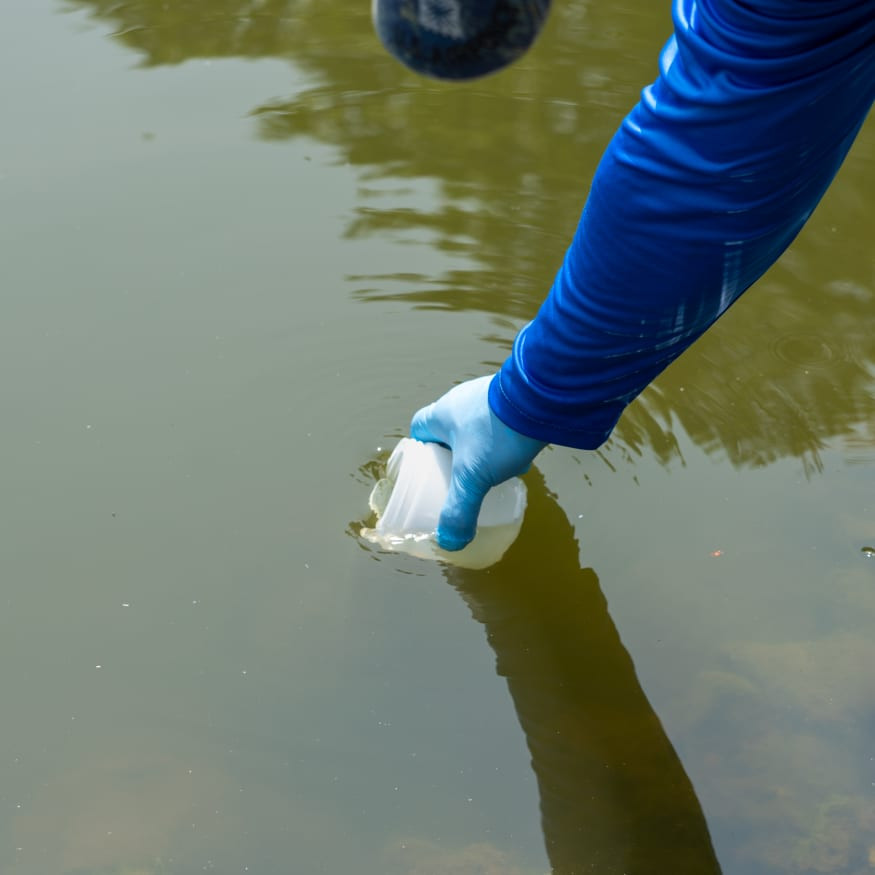
Because you cannot rely on sight or smell, professional laboratory analysis is the only reliable way to confirm the safety of your water.
Testing isn’t just a one-time event to be checked off during a home closing; it is a vital part of ongoing home maintenance. Experts recommend that private well owners test their water at least annually for the most common indicators: coliform bacteria, nitrates, and pH levels. Every three to five years, you should consider a more comprehensive assessment to screen for heavy metals like lead and arsenic, as well as radiological elements.
If you are unsure of which tests are necessary for your home, visiting what we test can help you build a robust testing schedule based on your area’s specific environmental risks.
When to Take Immediate Action
There are specific milestones when testing becomes non-negotiable:
- Property Transfers: New Jersey’s Private Well Testing Act mandates testing during the sale or lease of a home to protect both buyers and tenants.
- Life Milestones: If you are planning a pregnancy, bringing home a newborn, or caring for someone with a compromised immune system, you should ensure your water is meeting the highest safety standards.
- Major Weather Events: Heavy flooding can compromise the integrity of your well head, potentially allowing surface pollutants to seep into your groundwater. If your property has been affected by severe storms, don’t wait for your annual check-up—test your water immediately.
- Plumbing Changes: If you have recently installed a new pump, replaced pipes, or added a filtration system, follow-up testing is essential to confirm that your modifications are working as intended.
Taking Control: Your Next Steps
Being a well owner doesn’t mean you have to be a water quality expert. You simply need the right data to make informed decisions. If you suspect an issue or haven’t tested your water in over a year, our team is here to provide the professional testing services you need to ensure your home remains a safe sanctuary.
If you have questions about specific contaminants or how to interpret your results, our FAQ section is a great resource. You can also explore our locations to see how we assist residents in your community. When you are ready to take action, contacting our team is the fastest way to get accurate, actionable results.
For more tips on how to keep your home’s water clean and safe, continue browsing our blog for ongoing advice. Your water is the foundation of your household’s health—don’t let the invisible dangers compromise your family’s future.
Disclaimer: This information is for educational purposes only. If you suspect your water is contaminated, stop using it for drinking or cooking immediately and seek professional advice.