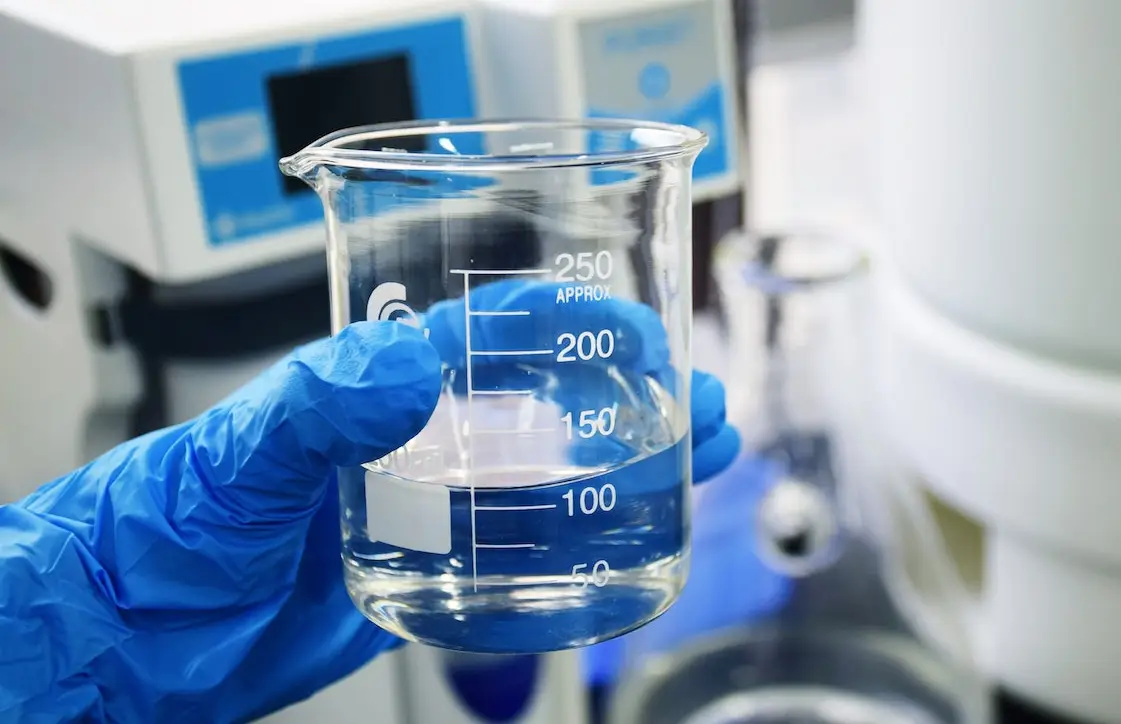
For most New Jersey homeowners, the water flowing from the kitchen tap is something we use dozens of times a day without a second thought. Whether you rely on a municipal utility or a private well, there is a natural tendency to assume that if the water is clear and odorless, it is safe for your family to drink, cook with, and bathe in. However, the reality of groundwater quality in New Jersey is much more complex.
Many of the most serious water contaminants are entirely invisible—they possess no taste, no smell, and no color. Relying on your senses to detect potential hazards is not a strategy; it is a gamble. Regular, professional water testing is the only way to gain an objective, scientific understanding of what is actually in the water your family consumes every day.
AG Environmental+ 1
The Invisible Risks in Your Water
Water quality in New Jersey is influenced by a diverse set of factors, ranging from our unique geological composition to a long history of industrial and agricultural activity. These factors can introduce a variety of contaminants into your supply:
Agra Environmental and Laboratory Services
- Microbiological Contaminants: Bacteria like E. coli and coliform can enter private wells through surface runoff, flooding, or failing septic systems. Consuming water contaminated with these pathogens can lead to immediate gastrointestinal illness, causing symptoms like nausea, vomiting, and diarrhea. AG Environmental+ 2
- Heavy Metals: Metals like lead and arsenic can leach into drinking water. Lead often enters through aging household plumbing and service lines, while arsenic is a naturally occurring element in some of New Jersey’s geological formations. Chronic exposure to these metals can lead to serious long-term health effects, including nervous system damage and an increased risk of cancer. PMC – NIH+ 2
- Nitrates and Nitrites: These are commonly associated with fertilizers and animal waste. High levels are particularly dangerous for infants, as they can cause a condition known as “blue baby syndrome,” which limits the blood’s ability to carry oxygen. EPA+ 1
- “Forever Chemicals” (PFAS): Per- and polyfluoroalkyl substances have been used in various manufacturing processes for decades. Because they are highly persistent in the environment and have been detected in many water sources across the state, they are a primary concern for modern water quality monitoring.
Why Proactive Testing Is Essential
For families, water testing is an act of prevention. When you establish a record of your water quality through regular laboratory analysis, you gain the ability to spot trends and identify changes before they cause health problems.
National Testing Laboratories
For private well owners, the responsibility of monitoring falls entirely on the homeowner. While the Private Well Testing Act (PWTA) mandates testing during property transfers, the NJ Department of Environmental Protection encourages well owners to test at least once annually for basic indicators. This regular cadence helps ensure that your water remains safe even as environmental conditions change due to seasonal rainfall or local land-use shifts.
Summers Drilling Inc+ 1
Protecting Susceptible Populations
Certain members of your household are more vulnerable to waterborne contaminants than others. Infants, children, pregnant women, and individuals with weakened immune systems can suffer more severe consequences from even low levels of exposure to certain pollutants.
Aqua Pump
For instance, developing children are significantly more susceptible to the neurotoxic effects of lead. Because lead can leach from plumbing fixtures in homes built before the 1980s, testing is a vital step for families in older houses. By choosing to use professional testing services, you are moving from a state of uncertainty to a state of informed protection.
Culligan Nation+ 1
When to Schedule a Test
You should not wait for a reason to be concerned to schedule a test. However, certain “trigger events” make testing especially important:
- Changes in Water Characteristics: Any sudden shift in color, taste, or odor should be met with immediate professional testing. Summers Drilling Inc
- Major Maintenance: If you have had work done on your well pump, plumbing, or water treatment equipment, a post-repair test confirms that your system is functioning correctly.
- Weather Events: Flooding can overwhelm well seals and introduce surface bacteria. If your property was impacted by severe storms or heavy rains, testing for bacteria is a standard best practice. Agra Environmental and Laboratory Services
- Changes in Your Household: If you are expecting a new baby or have guests with health vulnerabilities, it is the perfect time to ensure your water quality is at its peak. Summers Drilling Inc
Taking Control of Your Environment
If you’ve realized that your water hasn’t been tested in a while, there is no need for alarm. The first step is simply to get the data. Knowing exactly what is in your water allows you to make informed decisions—whether that means installing a simple under-sink filtration system or a whole-house treatment solution.
If you are unsure where to begin, our guide on what we test provides a breakdown of the common parameters that impact New Jersey homes. You can also explore our FAQ section for answers to many common questions about interpreting your results.
When you are ready to ensure your family’s safety, contacting our team is the fastest way to arrange certified, professional sampling. We serve various locations across New Jersey and are dedicated to helping residents maintain a healthy home environment. For ongoing tips on water quality and home maintenance, browse our blog for more insights. Your family’s health starts with the water you drink—let’s make sure it’s safe.