
In the Garden State, history is woven into the architecture of our communities. From the colonial-era homes of the north to the mid-century developments in our suburban centers, New Jersey is home to a vast inventory of older housing. While these properties offer character and charm, they also often come with a “hidden” legacy of older construction materials, most notably plumbing components that may contain lead.
For homeowners, understanding the risks associated with lead is not just a matter of home maintenance—it is a critical investment in your family’s health. Because lead is invisible to the senses, professional testing is the only way to gain true peace of mind.
The Hidden Risk in Aging Infrastructure
New Jersey’s water infrastructure has served generations, but the pipes carrying that water are subject to natural wear and corrosion. Lead typically enters drinking water not at the treatment plant, but through the distribution system and the plumbing within your own home.
How Lead Enters Your Tap
Lead can dissolve into drinking water when plumbing materials corrode. In older homes, this is frequently due to:
- Lead Service Lines: These are the pipes that connect your home to the municipal water main. If your home was built before 1986, there is a statistical possibility that your service line is made of lead.
- Lead Solder: Before the mid-1980s, lead-based solder was commonly used to connect copper pipes. Over time, this solder can break down, especially if the water running through your pipes has high acidity or low mineral content, which acts as a corrosive agent.
- Brass Fixtures: Many older faucets and plumbing fixtures were manufactured with brass that contained lead. Even if your main pipes are updated, these fixtures can be a localized source of lead at your kitchen or bathroom tap.
Why Testing Is the Only Solution
There is a common misconception that if your water looks, tastes, and smells normal, it must be safe. Unfortunately, lead is entirely undetectable by human senses. You cannot “see” it, and you certainly cannot taste it.
Unlike paint-based lead hazards—which may be detected through visual inspections or dust wipe tests—lead in water requires specialized water quality analysis. Professional laboratory analysis is the only method to accurately quantify the presence of lead and determine if it exceeds safety thresholds.
Protecting the Most Vulnerable
While lead exposure is a health concern for adults, it poses a significantly higher risk to children and pregnant individuals. Young children, whose bodies are still developing, are more susceptible to the neurotoxic effects of lead. Exposure at a young age can lead to developmental challenges, behavioral issues, and long-term health concerns. Because of this, regular testing is a non-negotiable step for any household with young children living in an older property.
Navigating New Jersey Regulations
New Jersey has implemented robust laws to protect residents from lead, though it is important to distinguish between water and paint requirements. For instance, while state law mandates “Lead-Safe Certification” for rental properties built before 1978 to address lead paint, water quality remains a separate, equally vital pillar of home safety.
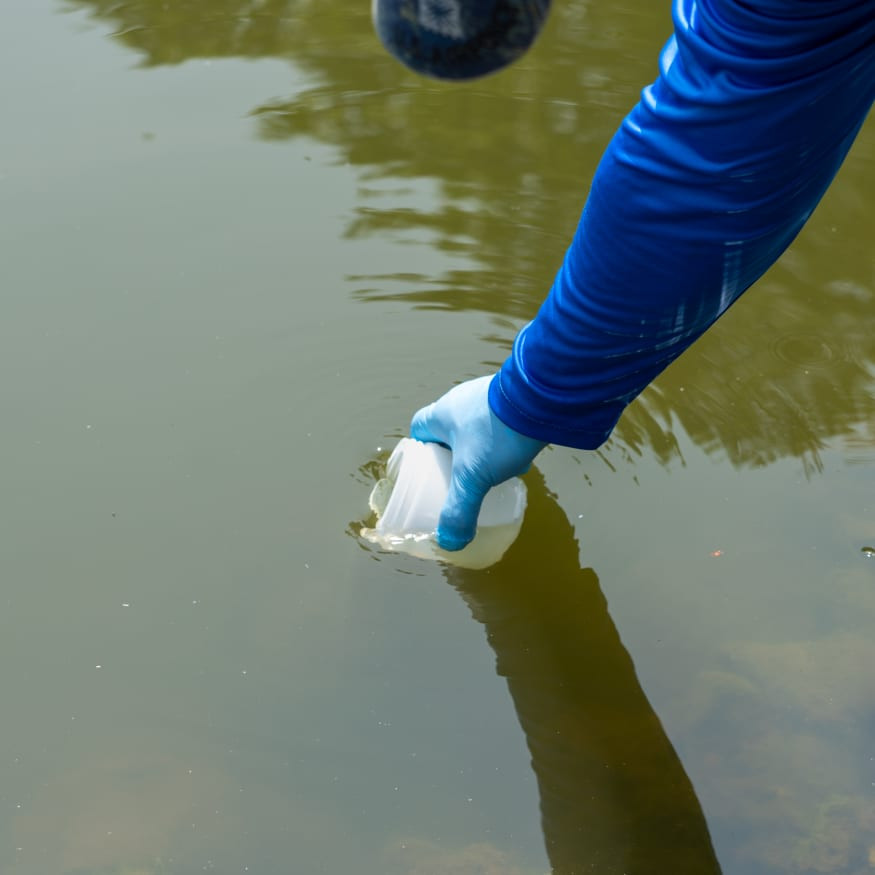
For private well owners, the Private Well Testing Act provides a clear framework for when testing must occur. However, if you are connected to a municipal system, you are not exempt from the need for diligence. Municipal providers monitor the water at the source, but they cannot monitor the condition of the pipes inside your walls. Taking the initiative to schedule testing services provides you with the specific data you need for your household.
Steps You Can Take Today
If you live in an older home and are concerned about lead, you don’t have to wait for a crisis to take action.
- Identify Your Plumbing: If possible, determine if your service line is lead or if your home still utilizes original plumbing components. You can consult a licensed plumber if you are unsure.
- Clean Your Aerators: Frequently cleaning the screens (aerators) on your faucets can help remove physical particles of lead or sediment that may have become trapped.
- Run Your Water: If water has been sitting in your pipes for several hours, running the cold tap for a few minutes before using it for drinking or cooking can flush out water that has been in contact with older pipes.
- Get Tested: Contact a certified laboratory to run a lead-specific analysis. Understanding your baseline is the most effective way to decide if you need a specialized filtration system, such as a reverse osmosis unit certified to remove lead.
Partner with Local Experts
Water safety is inherently local. The specific mineral content of your water and the age of your local infrastructure can create unique risks. If you are unsure which tests you need, our guide on what we test can help you get started, and our FAQ section provides answers to the most common questions we receive from New Jersey homeowners.
We are proud to serve various locations across the state, helping families understand the safety of the water they use every day. If you are ready to take control of your home’s water quality, contacting our team is the fastest way to get accurate, reliable results.
Your home is a place of comfort and security. By staying proactive and informed about your water quality, you can ensure that it remains a healthy environment for years to come. For more tips on maintaining a safe home, feel free to browse our blog for ongoing insights and updates.