New Jersey is a state of remarkable geographical diversity, from the mountainous northern regions to the coastal plains of the south. This variety is beautiful, but it also means that the water beneath our feet is influenced by an equally diverse range of geological and man-made factors. Whether you get your water from a sprawling municipal system or a private well in your own backyard, understanding the most common contaminants in New Jersey is the first step toward true water security.
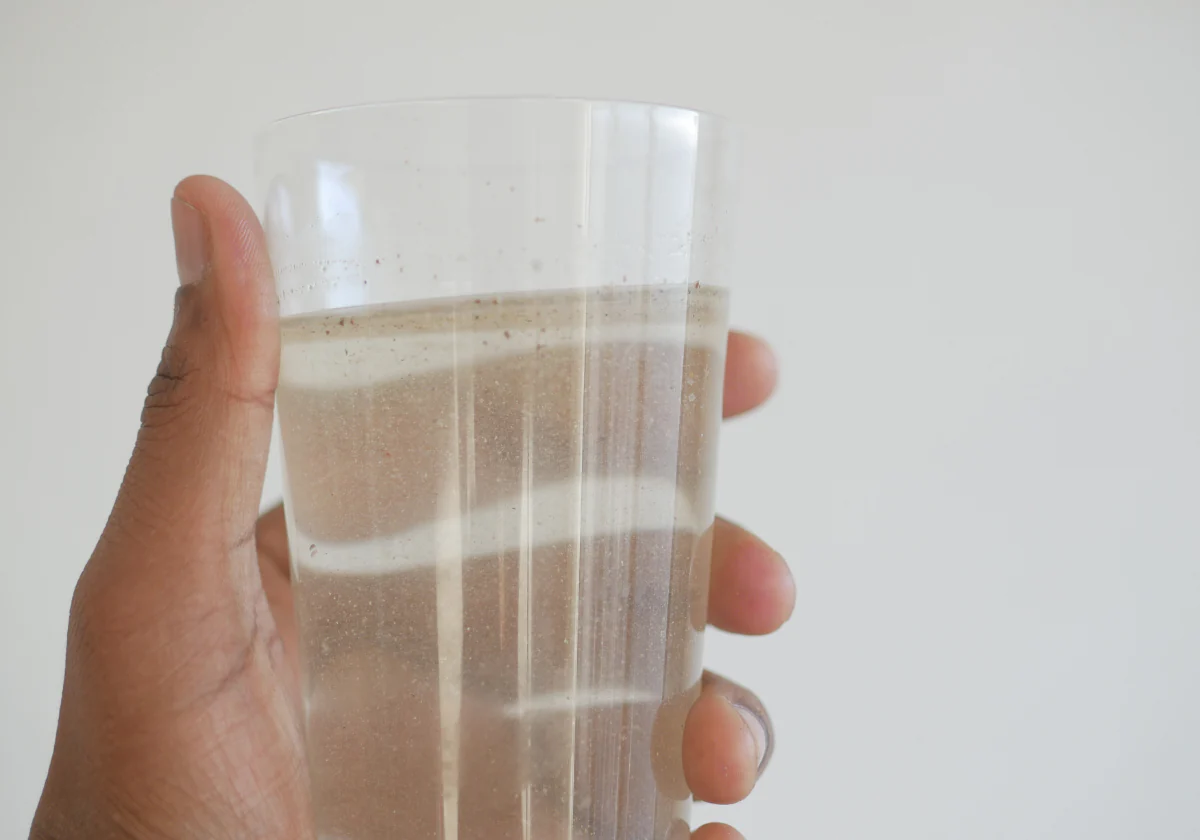
It is important to remember that many of the most significant water quality threats are invisible. They don’t change the color of your water, and they don’t necessarily leave behind a foul smell. This is why proactive laboratory analysis is the gold standard for homeowners who want to ensure their families are protected.
Naturally Occurring Geological Contaminants
Because New Jersey’s bedrock and soil composition vary significantly by region, some contaminants are simply a product of the environment.
Arsenic
Arsenic is a naturally occurring element found in rock formations throughout certain parts of New Jersey. As groundwater moves through these rocks, it can leach arsenic into your well. Because it is tasteless and odorless, you cannot detect it without testing. Long-term ingestion of arsenic is a known health concern, which is why it is a standard parameter in the Private Well Testing Act (PWTA) requirements.
Radionuclides (Uranium, Radium, and Radon)
Radioactive elements like uranium and radium are present in the bedrock in specific areas of the state. These elements decay over time and can release radiation into groundwater. While radon is often associated with air quality in basements, it can also dissolve into well water and be released into your home’s air whenever you turn on a faucet, shower, or dishwasher.
Industrial and Man-Made Contaminants
New Jersey’s rich industrial history—ranging from manufacturing to the use of legacy firefighting foams—has left an imprint on the state’s groundwater.
PFAS (“Forever Chemicals”)
Per- and polyfluoroalkyl substances (PFAS) are a group of synthetic chemicals that have been used for decades in non-stick cookware, stain-resistant fabrics, and firefighting foams. They are called “forever chemicals” because they do not break down in the environment. New Jersey has been a pioneer in setting strict regulatory standards for these substances, as even low levels in tap water can be a cause for concern.
Volatile Organic Compounds (VOCs)
VOCs are man-made chemicals often associated with industrial solvents, gasoline components, and dry-cleaning fluids. These can seep into groundwater through improper disposal, leaking underground storage tanks, or historical industrial spills. Because they are mobile in the environment, they can travel through soil and contaminate aquifers that might otherwise seem pristine.
Infrastructure-Related Contaminants
Sometimes, the problem isn’t the source water itself, but the journey it takes to get to your kitchen tap.
Lead and Copper
Lead and copper contamination rarely occurs at the treatment plant. Instead, these metals typically leach into the water as it travels through aging lead service lines or internal household plumbing fixtures. Homes built before the 1980s are at a higher risk, as lead solder was commonly used to connect copper pipes. Because there is no safe level of lead exposure, testing your tap water is the only way to know if your specific plumbing is contributing to the problem.
Disinfection By-Products
Municipal water providers use chlorine and other chemicals to kill harmful bacteria. While this is essential for public safety, these chemicals can react with organic matter in the water to form by-products like trihalomethanes. These are monitored closely by water utilities to ensure they stay within federal safety limits.
Agricultural and Septic-Related Contaminants
For those in more rural parts of the state, proximity to land use plays a major role in water quality.
Nitrates and Nitrites
Nitrates are common ingredients in chemical fertilizers, and they are also a byproduct of human and animal waste. If you live near agricultural land or have an older, failing septic system, nitrates can leach into your groundwater. They are especially dangerous for infants, as they can interfere with the blood’s ability to carry oxygen.
Coliform Bacteria and E. coli
Bacteria are one of the most common and immediate threats to private well water. They can enter a well if the casing is poorly sealed, if the well is too shallow, or if surface water is allowed to infiltrate the supply, especially after heavy rainfall. Unlike many of the chemicals listed above, bacterial contamination often occurs suddenly, which is why annual testing is recommended.
Protecting Your Home
If you are concerned about any of these contaminants, the good news is that they are generally manageable. Once you identify what is present in your water, you can implement targeted solutions, such as carbon filtration, reverse osmosis systems, or UV treatment.
To get a clearer picture of your specific situation, browse our FAQ section for common questions or review what we test to see which panels are most relevant for your property.
Water quality is the foundation of a healthy home. If you haven’t tested your water in the last year, contact our team to schedule a professional assessment. We serve various locations across New Jersey, providing the clarity and data you need to ensure your water is safe, clean, and reliable. For more information on maintaining your home systems, continue exploring our blog for ongoing insights.