
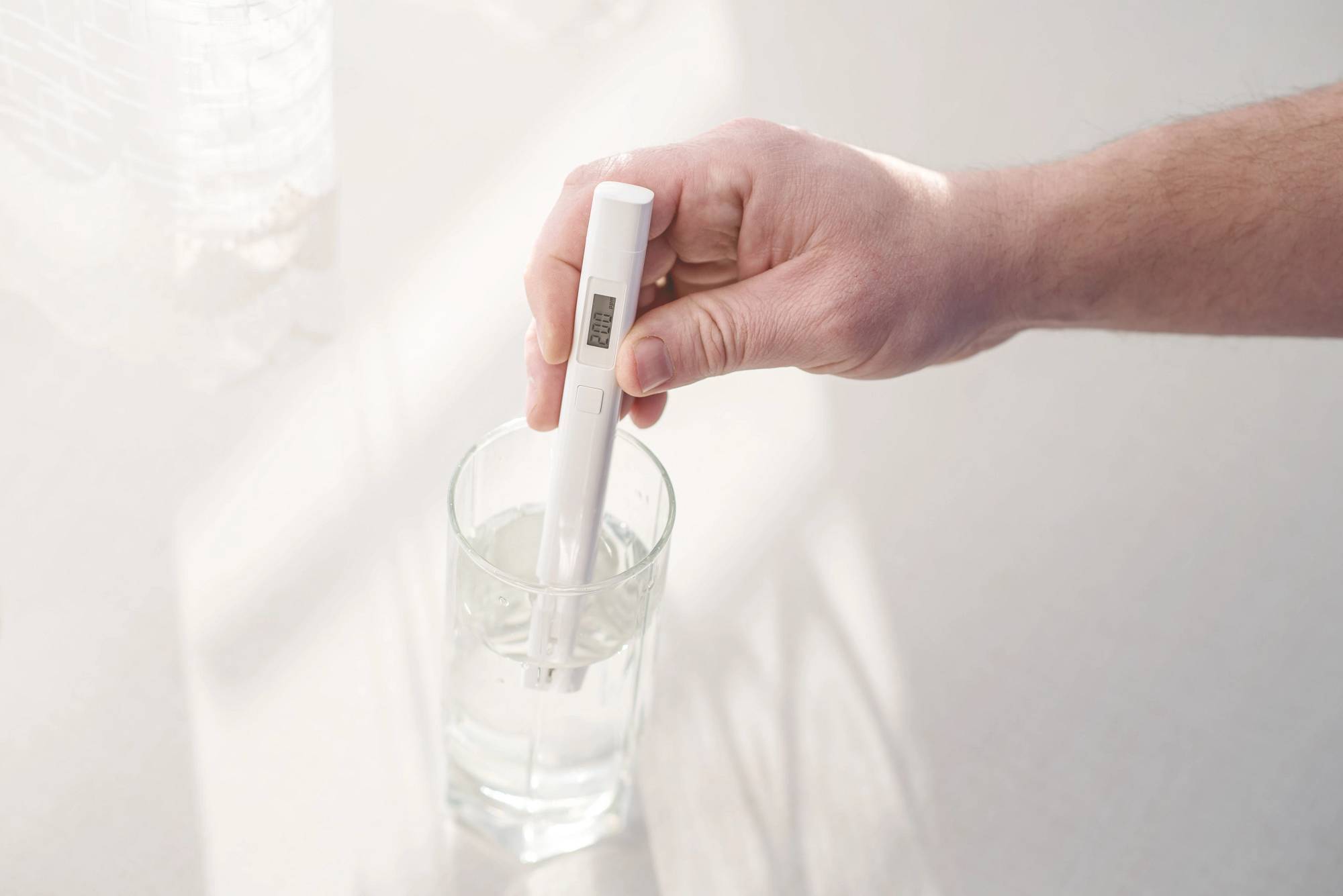
In New Jersey, lead is a topic that carries significant weight, and for good reason. From the state’s historic infrastructure to its proactive legislative efforts to protect public health, understanding how lead interacts with our daily lives—specifically our drinking water—is a priority for many residents.
If you are a homeowner, a landlord, or simply someone concerned about what comes out of your kitchen tap, you have likely encountered questions about lead testing. Because lead is colorless, odorless, and tasteless, it is effectively invisible to the human senses. Here is a guide to help you navigate the landscape of lead testing requirements, regulations, and best practices in the Garden State.
Why Lead is a Concern in New Jersey
Lead typically enters drinking water not at the treatment plant, but through the distribution system and household plumbing. In many older New Jersey homes, lead service lines—the pipe connecting the home to the water main—or older indoor plumbing fixtures, solder, and brass fittings can leach lead into the water as it sits in the pipes.
Because the health risks associated with lead exposure are well-documented, especially for children and pregnant individuals, New Jersey has implemented a range of regulatory frameworks to identify and mitigate these risks.
Who is Required to Test?
The requirements for lead testing vary significantly depending on whether you live in a private residence, rent out property, or operate a public facility.
1. Private Well Owners
If you rely on a private well for your drinking water, you fall under the New Jersey Private Well Testing Act (PWTA). This act mandates that property owners must test their water for a specific set of contaminants, including lead, when selling or leasing a home.
- For Sellers: Testing must be conducted before the transfer of the title, and the results must be reviewed by both the buyer and the seller.
- For Landlords: Testing is required every five years, and the results must be shared with tenants.
While the PWTA provides a legal baseline, many homeowners choose to go beyond these requirements by seeking regular, voluntary laboratory analysis to ensure their water remains safe between these major milestones.
2. Schools and Child Care Facilities
New Jersey has some of the most stringent lead-in-drinking-water regulations in the nation for schools and child care centers. These facilities are required to undergo periodic testing according to state-mandated cycles to ensure that all drinking water outlets—such as fountains and kitchen taps—meet safety standards. If results exceed the “action level” of 15 parts per billion (ppb), the facility must take specific corrective actions, which often include notifying parents and staff, providing alternative water sources, and implementing remediation plans.
3. Public Water Systems
Public water systems are governed by the Federal Lead and Copper Rule. These systems are required to monitor tap water in homes that are considered “high risk” for lead—typically those with known lead service lines or older plumbing. If these systems find that lead levels exceed safety thresholds, they are required to implement public education campaigns and, in many cases, replace lead service lines. You can often find the results of these system-wide tests by requesting a Consumer Confidence Report (CCR) from your local provider or using the NJDEP Drinking Water Watch portal.
Distinguishing Between Water and Paint
It is important to note that New Jersey also has robust laws regarding lead-based paint in rental units (P.L. 2021, c. 182). While this law mandates inspections for lead paint hazards, it is a separate requirement from water testing. As a property owner, it is essential to distinguish between these two:
- Water Testing: Focuses on the chemistry of the water flowing through your pipes.
- Paint Inspections: Focuses on the physical condition of painted surfaces to prevent lead dust and chip exposure.
Why You Should Test Your Water Proactively
Even if you are not currently selling your home or leasing a property, there are compelling reasons to test for lead on your own terms.
- Age of Your Home: If your home was built before the 1980s, there is a higher statistical probability that your internal plumbing contains lead solder or fixtures.
- Changes in Plumbing: If you have recently renovated your home or replaced sections of your piping, it is wise to test your water to ensure no new debris or lead particles have been introduced into your system.
- Peace of Mind: Professional testing services provide you with an objective, certified look at your water quality. When you understand exactly what is in your water, you can make informed decisions about whether you need a point-of-use filter or a more comprehensive treatment solution.
If you are concerned about your water quality, checking what we test can help you determine if a lead-specific test—or a broader panel—is the right move for your home.
How to Take the Next Step
Navigating state regulations can feel overwhelming, but keeping your water safe doesn’t have to be a solo endeavor. Whether you have questions about your specific town’s requirements or need assistance interpreting a water report, our FAQ section is a great resource for getting started.
If you are ready to ensure your water is safe for your family, contacting our team is the most efficient way to get accurate, reliable results. We serve various locations across New Jersey, providing the expertise you need to understand your water quality with confidence. For more information on home maintenance and safety, browse our blog for ongoing tips and updates.
Your home is your sanctuary, and your water is the heart of it. By staying informed and proactive, you can ensure your water quality remains high, no matter the age of your pipes