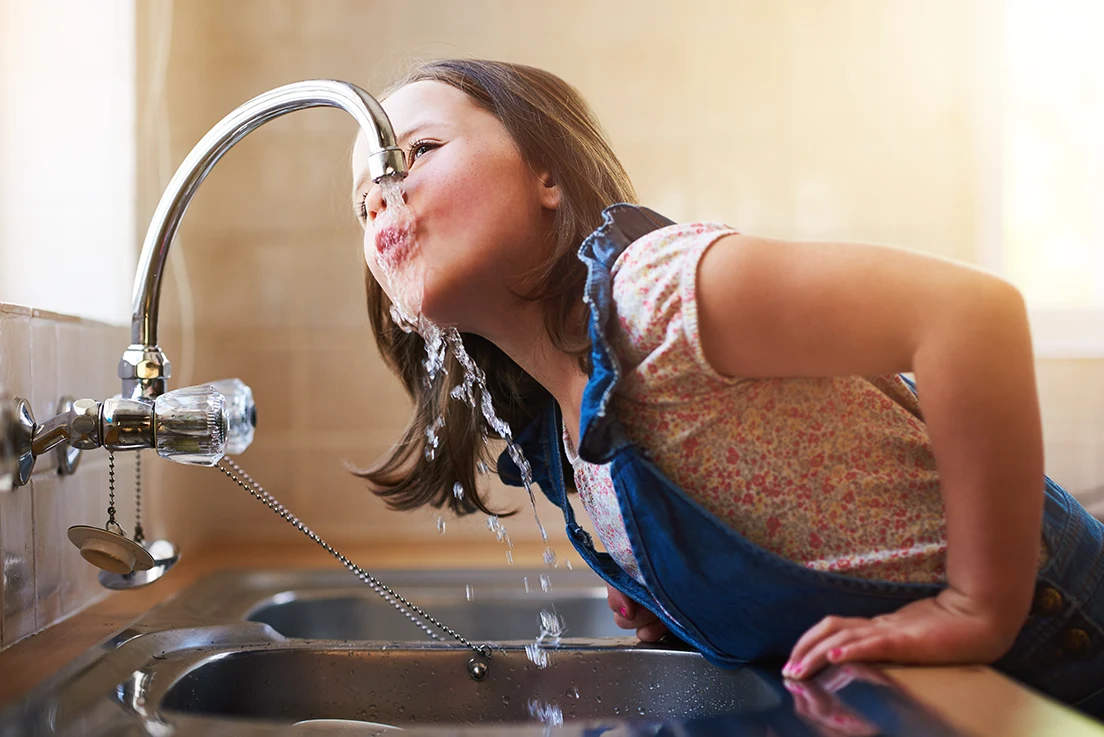
For many homeowners in the Garden State, the water coming out of the kitchen tap is something that rarely receives a second thought. If it looks clear, smells fine, and tastes normal, it is easy to assume it is safe. However, living in a state with such a diverse geological landscape and a long history of industrial activity, the reality of New Jersey’s water quality is far more complex than what meets the eye.
Water safety is not a static condition. Whether you rely on a private well or a municipal supply, the chemistry of your water can change due to aging infrastructure, seasonal fluctuations, or environmental shifts. Understanding what is in your water is the first step toward protecting your family’s health and the longevity of your plumbing systems.
The Hidden Complexity of New Jersey Water
New Jersey is home to a vast array of water sources, ranging from deep aquifers to surface reservoirs. While municipal water providers are required to treat and test the water they deliver, the journey from the treatment plant to your tap is long. Along that path, water can pick up contaminants from aging pipes—some of which may still contain lead or copper—or suffer from secondary contamination issues.
For those on private wells, the responsibility shifts entirely to the homeowner. Unlike public systems, which are monitored by strict state and federal regulations, private wells are largely left to the discretion of the owner. You are the steward of your own water supply. Without regular laboratory analysis, you are effectively flying blind, unaware of potential pollutants like bacteria, nitrates, or heavy metals that could be leaching into your supply from the surrounding soil.
Why Testing Matters: Beyond the Basics
Many homeowners wait for a sign of trouble—a strange odor, discolored water, or an odd metallic taste—before looking into professional testing. By then, the issue may have already been present for months or even years. Proactive testing is not just about catching massive failures; it is about transparency and long-term wellness.
Protecting Against Lead and Heavy Metals
New Jersey has been at the forefront of national discussions regarding lead in drinking water. Because lead does not have a taste, smell, or color, it is impossible to detect without professional diagnostic tools. Older homes, in particular, are at a higher risk, but even newer homes can be affected if plumbing fixtures or solder contain lead.
Detecting Invisible Contaminants
Beyond lead, there are several “invisible” threats that can infiltrate both well and city water. For instance, arsenic is naturally occurring in some geological formations in New Jersey. Other contaminants, such as PFAS (per- and polyfluoroalkyl substances)—often called “forever chemicals”—have become a significant concern in groundwater across the state. These substances do not disappear on their own and require specialized testing methods to detect accurately.
Managing Hard Water
While not always a direct health risk, water hardness is a common frustration for New Jersey residents. High mineral content, specifically calcium and magnesium, can wreak havoc on your home’s infrastructure. It builds up in water heaters, clogs pipes, and reduces the efficiency of dishwashers and washing machines. Investing in testing services can help you determine if a water softening system is a necessary upgrade to save you money on appliance repairs in the long run.
Understanding Your Source: Public vs. Private
The source of your water significantly dictates the types of tests you should prioritize.
For municipal water users, the goal is often to verify that the water remains high-quality after it leaves the plant. Occasionally, issues like water main breaks or localized pipe corrosion can introduce contaminants into a home’s specific line. The New Jersey Department of Environmental Protection (NJDEP) provides extensive resources on state-wide standards, but home-specific testing offers a localized peace of mind that broader reports simply cannot provide.
For well owners, the scope is broader. The Environmental Protection Agency (EPA) generally recommends that private well owners test their water at least annually for total coliform bacteria, nitrates, and other localized contaminants. Because well water can be impacted by agricultural runoff, septic system proximity, and seasonal rainfall, an annual check-up is the gold standard for maintaining a safe, potable water source.
When Should You Test?
It is easy to push water testing to the bottom of the “to-do” list, but there are specific milestones that make a test essential:
- Buying or Selling a Home: Real estate transactions are the most common time for testing, but don’t just rely on the baseline requirements of a mortgage lender. Consider a comprehensive scan to ensure the long-term safety of the property you are moving into.
- After Major Plumbing Work: If you have replaced pipes, installed a new water heater, or performed significant renovations, it is a good idea to ensure no foreign debris or bacteria entered the system.
- Changes in Taste, Odor, or Appearance: Any sudden change is a red flag. Do not wait to see if it clears up on its own.
- Family Health Concerns: If members of your household are experiencing unexplained health issues or skin irritation, water quality should be on your list of variables to investigate.
Taking Action: The Importance of Professional Lab Work
While DIY test kits are available at hardware stores, they often provide only a surface-level look at a few basic parameters. For accurate results that you can actually rely on, professional testing is essential. A certified lab uses equipment that can detect trace amounts of contaminants that simple strips will completely miss.
When you work with a professional, you gain more than just a data sheet of numbers. You gain an interpretation of what those numbers mean for your home. Are the lead levels approaching the action limit? Is your pH balance causing the corrosion of your copper pipes? These insights allow you to make informed decisions about water filtration or treatment systems.
If you are unsure where to start, looking at what we test can help clarify which contaminants are of most concern in your region. Many residents find that once they have the data, the path to a solution becomes clear, whether that involves a whole-house filter, a reverse osmosis system, or simply a repair to the existing service line.
A Legacy of Clean Water
In New Jersey, water safety is a communal effort. By taking the time to test your home, you aren’t just protecting your family; you are contributing to a culture of environmental awareness and public health. Whether you are living in a historic home in the northern highlands or a suburban development in the south, the quality of your water remains a fundamental pillar of your living environment.
Do not wait for a reason to be concerned. Make water quality a part of your annual home maintenance routine. If you have questions about your specific area or want to understand the process, browsing our FAQs is a great way to learn more about the steps involved. When you’re ready, contacting our team is the fastest way to get accurate, reliable answers about the water your family consumes every single day.
Clean, safe water is a necessity, not a luxury. By staying informed and proactive, you can ensure that your home remains the safe, comfortable sanctuary it is meant to be.