
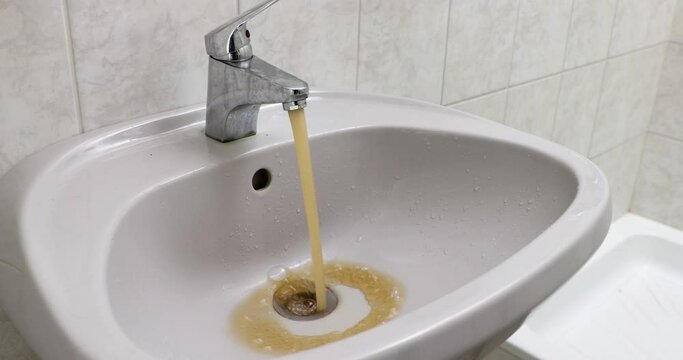
Brown water is a signal, not a diagnosis
Brown water is easy to dismiss when it happens somewhere else, but it feels very different when it appears in your own sink, shower, or bathtub. New Jersey homeowners may notice discoloration after plumbing work, hydrant activity, water main disturbance, construction, long stagnation, or changes inside the property. The problem is that brown water does not point to one single cause. It may involve iron, sediment movement, corrosion-related conditions, or disturbed plumbing scale. A stronger response starts with documentation and professional water testing services rather than guessing based only on color.
Why discoloration can mean different things
Brown water may be temporary in some cases and more meaningful in others. Iron can create reddish or brownish water. Sediment may become visible when flow changes disturb material inside plumbing. Corrosion-related conditions can contribute color, staining, or particles. A single fixture may show discoloration while other taps stay clear, or the entire home may be affected. Those patterns matter. If the issue is localized, the next step may focus on one branch, fixture, or water heater condition. If the issue is widespread, a broader review may be more appropriate.
What official water guidance helps explain
The EPA’s drinking water information provides a broader background for why water quality is evaluated through standards, monitoring, and testing rather than appearance alone. New Jersey households with private wells may also find the NJDEP private well testing guidance useful because private well owners have direct responsibility for understanding their own water quality. Brown water is not automatically a private well issue and not automatically a public supply issue. The right interpretation depends on the property, the source, and the plumbing path. The CDC private well information can also help households understand why water source and maintenance context matter when a property is not relying only on a typical public-water setup.
Why appearance alone is not enough
The most common mistake is treating a clear glass as proof that the concern is over. Discoloration may disappear after flushing, but the underlying cause may still deserve attention if it returns or affects water used for drinking and cooking. Another mistake is assuming brown water means one specific contaminant. Color can be connected to several different water conditions, and those conditions do not carry the same meaning. Testing helps identify whether metals, turbidity, sediment-related indicators, or other parameters should be part of the conversation. It gives the household a way to respond with information instead of frustration.
Document the pattern before testing
Before collecting a sample, homeowners should write down where the brown water appears, whether it affects hot water, cold water, or both, and whether it clears after running. They should also note the date, time, recent repairs, nearby construction, building maintenance, and whether neighbors noticed anything similar. A photo can also help. These details make the test plan stronger because the sample can be connected to the actual event. A sample taken after everything has returned to normal may not answer the question that caused concern in the first place.
How certified analysis can help
Certified analysis helps separate a cosmetic nuisance from a condition that deserves more follow-up. The laboratory analysis page explains why a defined sample and measured results are stronger than visual assumptions. Depending on the situation, testing may help evaluate iron, lead, copper, turbidity, bacteria indicators, or other parameters that relate to the property’s concern. A homeowner does not need to know the exact cause before testing. The point of a thoughtful test plan is to choose the right panel and sample locations so the result can guide the next decision.
When families should be more cautious
Brown water deserves quicker attention when children, older adults, or sensitive household members rely on the affected fixture. It also deserves attention when discoloration appears repeatedly, comes with particles, stains fixtures, has an unusual odor, or affects the main drinking water tap. In those situations, waiting indefinitely may only extend uncertainty. Testing does not mean assuming the worst. It means taking the concern seriously enough to understand what is happening at the point of use.
A practical response for New Jersey homeowners
A practical response to brown water includes observing the pattern, avoiding rushed conclusions, choosing meaningful sample points, and using results to decide what comes next. The issue may lead to plumbing maintenance, additional testing, a fixture review, or a conversation with a landlord, building manager, water provider, or plumber. Homeowners can review what we test and reach out through the contact page when they want a clearer path. Brown water may not always be dangerous, but it always deserves a better answer than guesswork.
Why the record matters later
A brown water event may seem temporary, but the notes a homeowner keeps can become valuable later. If the issue returns, the household can compare timing, fixture location, and circumstances instead of starting over. That record also helps a testing provider understand whether the concern is isolated, recurring, seasonal, or connected to a known plumbing change.
Brown water can be frustrating because it creates immediate doubt. A structured testing response gives the household a way to move beyond reaction and toward a clearer explanation. Even when the cause turns out to be manageable, the family benefits from knowing why the discoloration appeared.
Why timing matters with brown water
Timing can change what testing is able to show. Brown water that appears first thing in the morning may suggest a different pattern from discoloration that follows nearby work or heavy building use. Water that appears brown only on the hot side may point toward a different set of questions than discoloration in cold drinking water. Families should record whether the problem clears quickly or continues after several minutes. Those details help determine whether a sample should be taken immediately during the event or whether additional observation is needed first.
How results help decide what comes next
Testing results can help a homeowner decide whether to monitor the issue, flush a line, review a fixture, speak with a plumber, or request a broader building conversation. If iron or turbidity appears, the response may differ from a lead or copper concern. If bacteria indicators are included and show concern, the next step may be more urgent. The point is not to turn every brown water event into a crisis. The point is to avoid treating a visible warning sign as meaningless without first asking what the water is showing.
Brown water can be frustrating because it creates immediate doubt. A structured testing response gives the household a way to move beyond reaction and toward a clearer explanation. Even when the cause turns out to be manageable, the family benefits from knowing why the discoloration appeared.
Why repeated discoloration needs a stronger response
Repeated brown water deserves a stronger response than simply flushing and forgetting. A one-time event may have a temporary explanation, but a recurring pattern can suggest that the household needs a closer look at plumbing conditions, fixture history, or water movement inside the property. If the discoloration affects the kitchen tap, appears with particles, stains fixtures, or returns after repairs, testing becomes a practical next step. The goal is to understand the pattern before it turns into a longer-term source of frustration.