
Start with the concern people actually notice
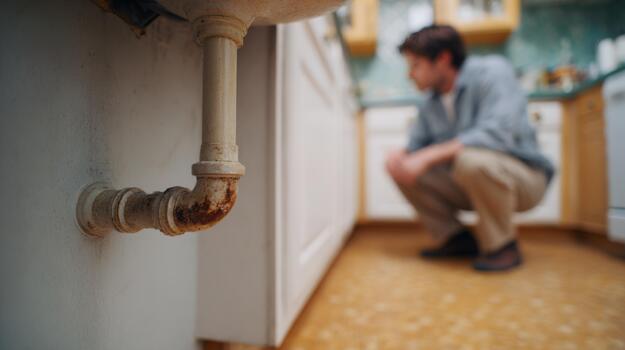
A polished apartment or newly renovated kitchen can make a Newark building look fully updated, but the water path may tell a more complicated story. In Newark renovated apartments, older multifamily buildings, commercial properties, and mixed-use spaces, the question usually begins with a visible change, a taste complaint, a child’s routine, a renovation, or a worry about contaminants that may not be obvious from appearance alone. The strongest response is to move from assumption to a structured testing plan. Professional water testing services help connect the concern to the actual property, sample location, and daily use pattern. That matters because the same symptom can mean different things in different buildings. Testing gives families and property teams a more useful starting point than guessing from a glass of water.
Why the property context matters
Water does not reach the tap in isolation. It passes through fixtures, branch lines, valves, building plumbing, private well components in some cases, and sometimes shared distribution systems. In Newark, the property may include recent upgrades beside older materials, rarely used outlets beside high-use sinks, or private units connected to common infrastructure. That is why looking beyond finished interiors to the water path behind the walls requires more than a generic checklist. A result becomes more useful when the sample location reflects the real concern, whether that concern involves newer fixtures connected to older branch lines, metals, bacteria indicators, PFAS questions, and corrosion behavior. The property context helps decide what should be tested and how the results should be read.
What official guidance can and cannot do
National guidance can explain why plumbing materials matter, but Newark buildings require local, property-level thinking. The EPA lead page explains plumbing-related lead sources, while the CDC guidance helps with household practices. The EPA drinking water page provides broader context. Testing shows how those concerns appear in a specific building.
Why certified analysis is stronger than appearance
A finished interior can hide older pipes, branch lines, valves, and shared infrastructure. Certified analysis helps building teams avoid judging water quality by finishes alone. The laboratory analysis process ties a result to a specific unit, fixture, or area, which is essential when one renovated space may still depend on older building materials.
Choosing the right test scope
Newark building testing may need to consider metals, bacteria indicators, PFAS, and corrosion-related conditions depending on the property. A single unit complaint may need a different scope from a building-wide review. The what we test page can help managers organize likely categories before selecting sample points.
Sample location can change the meaning
One of the most important parts of any water testing plan is choosing where the sample should come from. The nearest faucet is not always the most representative outlet. A fixture used for drinking may be more meaningful than a rarely used sink. A shared-building concern may require more than one unit or more than one point of use. A commercial property may need to consider staff areas, public-use fixtures, and tenant spaces differently. For building owners, landlords, managers, and residents, the sample location should answer the practical question behind the test: whether the concern belongs to one fixture, one unit, or a wider building system that deserves additional review.
How results should be used
Results can help determine whether the concern appears isolated to one outlet, repeated across units, or tied to a shared system. That distinction matters for budgets, tenant communication, and maintenance decisions. The EPA water resource provides context, but the building’s own results are what guide local action.
Questions to ask before collecting samples
Before sampling, Newark building teams should identify which units or fixtures are involved, whether renovations were recent, whether multiple tenants reported similar issues, and whether low-use areas are part of the concern. Those details help keep the test plan focused on the building’s actual water path.
A New Jersey-focused way forward
For Newark building owners, landlords, managers, and residents, the best approach is focused and practical: define the concern, choose meaningful sample points, select a relevant panel, and interpret the result in context. That process makes water testing useful whether the concern is lead, bacteria, PFAS, corrosion, appearance, taste, or shared plumbing. Families and property teams can explore service areas through the locations page and ask questions through the contact page. Stronger answers begin when the water question is tied to the real property and the people who use it every day.
Why this extra context matters
Finished interiors can create a false sense of certainty. A new countertop, fresh tile, or modern faucet tells only part of the story. The water may still pass through older valves, branches, or shared plumbing before it reaches that new fixture. Testing helps separate the visual renovation from the functional water path and gives Newark building teams a better way to understand what is happening inside occupied spaces.
For Newark properties, this can be especially important when renovations happened in stages. One owner may have replaced a kitchen, another may have updated bathrooms, and building-wide systems may still be older. Testing helps connect the finished surface to the hidden water path.
Why staged renovations complicate the story
Many Newark buildings have been improved over time rather than rebuilt all at once. A unit may have a new kitchen, a bathroom update from a different decade, and shared infrastructure that predates both. That staged history makes water questions harder to answer by appearance. A finished interior can hide older branches, valves, or risers that still influence the final water profile. Testing helps bring those hidden factors into the conversation.
How managers can use testing more effectively
For building owners and managers, testing can help prioritize action. If one unit shows a concern and nearby units do not, the review may focus locally. If several fixtures show a similar pattern, a broader system question may be appropriate. That distinction matters for budgeting, communication, and maintenance planning. Testing helps keep the response targeted rather than reactive.
The practical risk in a finished Newark interior is that owners and residents may stop asking questions too early. If the unit looks updated, people may assume the plumbing behind the finished work has the same age and condition. That is not always true. Water testing helps bridge the gap between what can be seen and what the water may be contacting before it reaches the tap. That makes it a useful tool for both residents and building teams.
For Newark properties, this can be especially important when renovations happened in stages. One owner may have replaced a kitchen, another may have updated bathrooms, and building-wide systems may still be older. Testing helps connect the finished surface to the hidden water path.
This is especially useful when a building owner has to decide where to spend attention first. A report connected to specific fixtures can help separate cosmetic updates from water-use realities. That makes maintenance planning more targeted and helps avoid unnecessary assumptions.