Start with the concern people actually notice
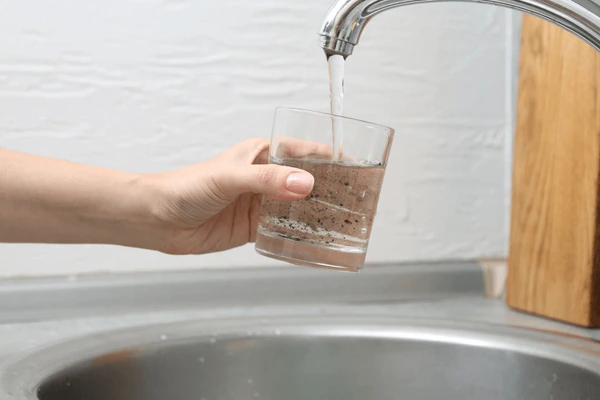
Many people hear about one contaminant at a time and never get the broader picture of what water testing can actually show. In New Jersey private homes, multifamily buildings, rental properties, commercial spaces, and mixed-use buildings, the question usually begins with a visible change, a taste complaint, a child’s routine, a renovation, or a worry about contaminants that may not be obvious from appearance alone. The strongest response is to move from assumption to a structured testing plan. Professional water testing services help connect the concern to the actual property, sample location, and daily use pattern. That matters because the same symptom can mean different things in different buildings. Testing gives families and property teams a more useful starting point than guessing from a glass of water.
Why the property context matters
Water does not reach the tap in isolation. It passes through fixtures, branch lines, valves, building plumbing, private well components in some cases, and sometimes shared distribution systems. In New Jersey, the property may include recent upgrades beside older materials, rarely used outlets beside high-use sinks, or private units connected to common infrastructure. That is why understanding contaminants as connected pieces of a larger water profile requires more than a generic checklist. A result becomes more useful when the sample location reflects the real concern, whether that concern involves lead, copper, iron, arsenic, bacteria, PFAS, potability indicators, pH, and corrosion-related conditions. The property context helps decide what should be tested and how the results should be read.
What official guidance can and cannot do
Official resources help explain the categories that may matter. The EPA drinking water information gives broad water quality context, the EPA PFAS page explains a growing contaminant category, and NJDEP private well information helps with well-related responsibilities. Testing then translates those categories into findings from one property rather than treating them as abstract concerns.
Why certified analysis is stronger than appearance
Common contaminants do not always announce themselves clearly. Lead may not be visible. Bacteria indicators may not create obvious taste. PFAS requires specialized analysis. Iron may affect appearance but does not explain every concern. The laboratory analysis process helps separate these categories so property owners can understand what was actually measured and why it matters.
Choosing the right test scope
A smarter scope starts with property type and concern. A private well may require potability indicators, a family with children may prioritize lead, and a property owner responding to stains may need metals and appearance-related indicators. The what we test page helps frame those options so the panel fits the reason for testing.
Sample location can change the meaning
One of the most important parts of any water testing plan is choosing where the sample should come from. The nearest faucet is not always the most representative outlet. A fixture used for drinking may be more meaningful than a rarely used sink. A shared-building concern may require more than one unit or more than one point of use. A commercial property may need to consider staff areas, public-use fixtures, and tenant spaces differently. For homeowners and property owners, the sample location should answer the practical question behind the test: which contaminants deserve priority and how the results fit together instead of being treated as isolated numbers.
How results should be used
Results should be read as a connected profile. A lead result may be more meaningful when pH or copper is also considered. A bacteria indicator may call for a different response than a metals finding. The NJDEP private well testing page shows why ongoing testing can matter for certain properties, while the report itself guides the next action.
Questions to ask before collecting samples
Before testing, property owners should define whether the goal is family safety, real estate due diligence, private well monitoring, tenant response, or investigation of a visible issue. They should also note the fixtures used most and any recent plumbing changes. A clear goal helps avoid both under-testing and over-testing.
A New Jersey-focused way forward
For New Jersey homeowners and property owners, the best approach is focused and practical: define the concern, choose meaningful sample points, select a relevant panel, and interpret the result in context. That process makes water testing useful whether the concern is lead, bacteria, PFAS, corrosion, appearance, taste, or shared plumbing. Families and property teams can explore service areas through the locations page and ask questions through the contact page. Stronger answers begin when the water question is tied to the real property and the people who use it every day.
Why this extra context matters
A smarter guide also recognizes that not every contaminant belongs in the same conversation for every property. A private well owner may need a different panel than a condo resident. A commercial property may need a scope connected to use patterns and maintenance. A family with children may prioritize lead and bacteria indicators. Good testing begins by asking which findings would actually change the next decision.
The broader picture is especially useful when a single symptom can point in more than one direction. Taste, staining, particles, or concern about children may require different tests. A structured panel makes the final report more useful because each result has a reason for being included.
Why contaminants should be viewed together
A smarter testing plan recognizes that water quality indicators often interact. pH and corrosion conditions may help explain metal findings. Bacteria indicators may raise different questions from lead or copper. PFAS concerns may require a more specialized scope. Looking at each result separately can miss the bigger picture. A professional analysis helps organize findings so the property owner can understand whether the concern is isolated, connected, or still unclear.
How to avoid over-testing without under-testing
The goal is not to test for everything without a reason. The goal is to avoid missing the items that actually fit the property and concern. A family with children may prioritize lead and bacteria. A private well owner may need potability and well-specific parameters. A commercial property may focus on occupant use and maintenance concerns. A smart scope balances budget, risk, and practical decision-making.
A broader contaminant guide is also useful because many water complaints are not neatly labeled at the beginning. A homeowner may start with metallic taste and later realize copper or iron should be considered. A landlord may respond to cloudy water and need to think about bacteria indicators. A family may start with lead and then ask whether PFAS belongs in the same conversation. Testing helps organize that path so each concern is handled in a sensible order.
The broader picture is especially useful when a single symptom can point in more than one direction. Taste, staining, particles, or concern about children may require different tests. A structured panel makes the final report more useful because each result has a reason for being included.
A useful contaminant review also helps property owners communicate better. Instead of saying the water seems bad, they can explain which parameters were checked and why those items were selected. That makes follow-up with plumbers, managers, tenants, or family members much clearer.