
Introduction: Why Laboratory Water Testing Matters
Drinking water quality is a fundamental component of public health, yet the processes used to evaluate water safety are often not fully understood. While water may appear clear and safe, contaminants such as heavy metals, bacteria, and chemical compounds can exist at levels that are not detectable without professional testing. This is where water testing laboratories play a critical role. These facilities use certified analytical methods and advanced instrumentation to assess water samples and determine whether they meet established potability standards.
Laboratory water testing goes far beyond simple observation or basic test kits. It involves a structured process that begins with controlled sample collection and continues through preparation, analysis, quality control, and reporting. Each step is governed by strict professional standards to ensure accuracy and reliability. The goal is to provide precise data that reflects the true condition of drinking water at the time of testing.
Understanding how laboratories analyze water samples helps homeowners, property managers, and businesses appreciate the importance of professional testing. It also highlights why laboratory results are considered more reliable than do-it-yourself alternatives. This article explores the complete journey of a water sample—from collection to final report—and explains the scientific methods used to evaluate drinking water safety.
1. Sample Collection: The Foundation of Accurate Testing
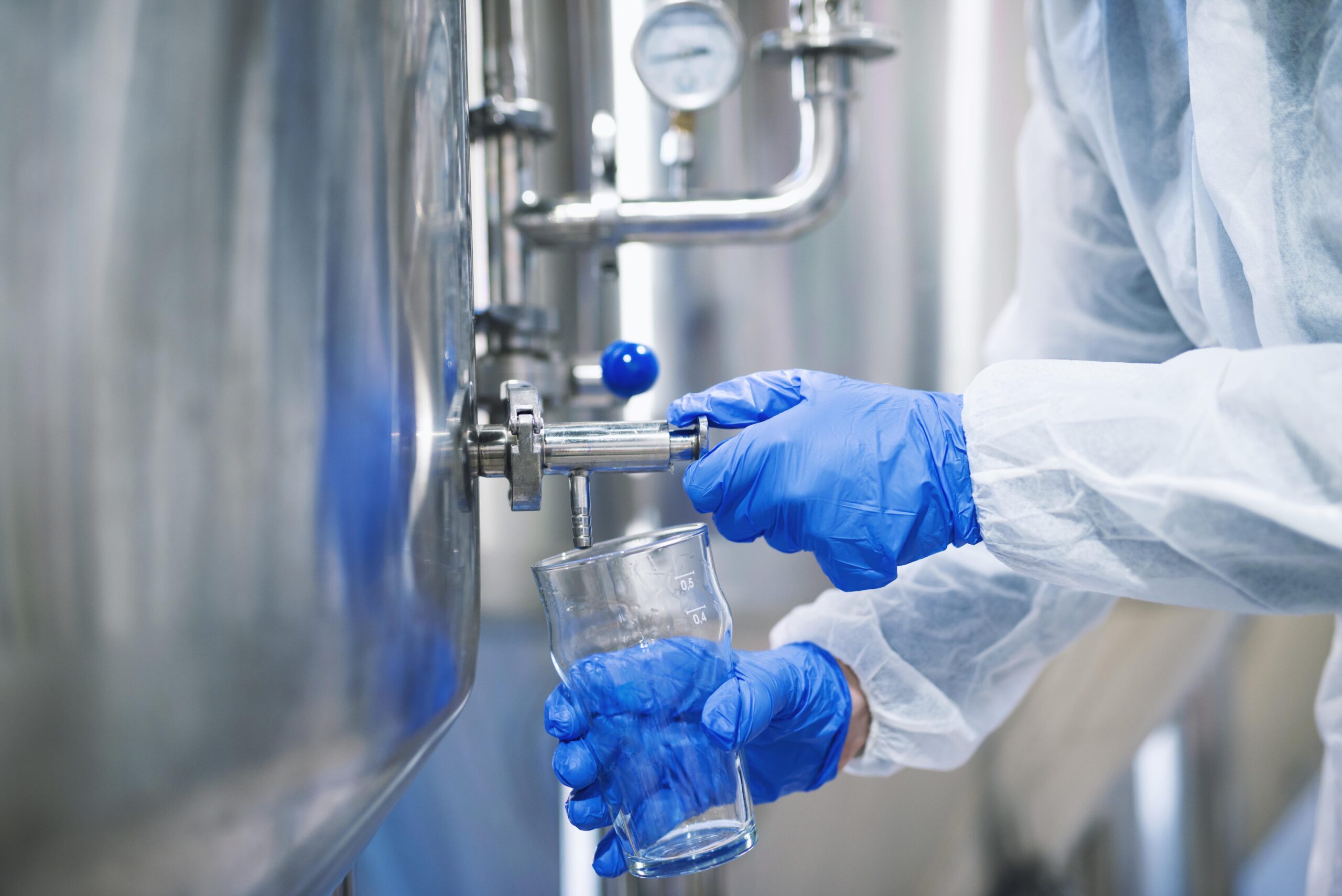
The process of analyzing drinking water begins with proper sample collection. Even the most advanced laboratory equipment cannot compensate for errors made during this initial stage. For this reason, professional water testing services follow strict sampling protocols to ensure that collected samples accurately represent real-world water conditions.
Sampling methods vary depending on the type of test being performed. For example, lead testing often requires first-draw samples, which capture water that has been sitting in plumbing systems for several hours. This helps identify contamination from pipes, solder, or fixtures. In contrast, bacteria testing requires sterile techniques to prevent contamination during collection. Chemical testing for substances such as PFAS or arsenic may involve specific containers and preservation methods to maintain sample integrity.
Environmental factors are also considered during sampling. Temperature, time of day, and water usage patterns can influence results. Certified professionals document these conditions and ensure that samples are collected consistently. This level of detail is essential for producing reliable laboratory data.
Proper labeling and documentation are equally important. Each sample is assigned identifying information, including location, date, time, and type of analysis required. This information accompanies the sample throughout the testing process and ensures accurate tracking. Without careful sampling procedures, laboratory analysis cannot produce meaningful results.
2. Sample Preservation and Transportation
Once collected, water samples must be preserved and transported to the laboratory under controlled conditions. This step is critical for maintaining the integrity of the sample and preventing changes that could affect test results. Different types of contaminants require different preservation methods, and certified laboratories provide specific guidelines for handling each sample.
Temperature control is one of the most important factors in sample preservation. Many samples must be kept at low temperatures to prevent chemical reactions or microbial growth before analysis. Insulated containers and cooling systems are used to maintain stable conditions during transport. In some cases, chemical preservatives are added to samples to stabilize certain compounds.
Time is another key consideration. Many tests must be performed within a specific timeframe after sample collection to ensure accuracy. For example, bacteria testing often requires analysis within 24 hours. Delays can lead to changes in the sample that affect results. Professional testing services coordinate transportation to ensure that samples arrive at the laboratory promptly.
Chain of custody documentation is maintained throughout this process. This documentation tracks the handling of the sample from collection to laboratory receipt, ensuring that it remains secure and uncontaminated. By following strict preservation and transportation protocols, water testing laboratories ensure that samples remain representative of the original water conditions.
3. Laboratory Sample Preparation
Before analysis can begin, water samples must be prepared according to the requirements of specific testing methods. Sample preparation is a controlled process that ensures consistency and accuracy in laboratory results. This step may involve filtering, diluting, or treating the sample to isolate specific contaminants or prepare it for analysis.
For heavy metal testing, samples may undergo acidification to preserve dissolved metals and prevent them from adhering to container surfaces. Filtration may be used to separate particulate matter from dissolved substances. For microbiological testing, preparation involves transferring samples into sterile media for incubation.
Each preparation step is performed according to standardized laboratory protocols. These protocols are designed to minimize variability and ensure that results can be compared across different samples and testing conditions. Laboratory technicians follow detailed procedures and use calibrated equipment to maintain consistency.
Quality control measures are also applied during sample preparation. This includes the use of blanks, duplicates, and control samples to verify the accuracy of the process. By carefully preparing samples for analysis, laboratories ensure that subsequent testing produces reliable and meaningful data.
4. Analytical Methods Used in Water Testing Laboratories
Water testing laboratories use a variety of analytical methods to detect and measure contaminants. These methods are selected based on the type of contaminant being analyzed and the required level of precision. Certified laboratories follow established testing standards to ensure accuracy and consistency.
For heavy metals such as lead and arsenic, laboratories often use techniques like atomic absorption spectroscopy or inductively coupled plasma mass spectrometry. These methods can detect metals at very low concentrations, making them suitable for evaluating drinking water safety.
Microbiological testing involves culture-based methods that allow bacteria to grow under controlled conditions. This helps identify the presence of total coliform, E. coli, and other microorganisms. Chemical contaminants such as PFAS are analyzed using advanced techniques like liquid chromatography combined with mass spectrometry.
Each analytical method is carefully calibrated and validated to ensure accuracy. Laboratory technicians monitor instrument performance and perform routine maintenance to maintain reliability. By using advanced analytical techniques, water testing laboratories can provide detailed and precise measurements of water quality.
5. Quality Control and Laboratory Standards
Quality control is a critical component of laboratory water testing. Certified laboratories follow strict standards to ensure that results are accurate, consistent, and reliable. These standards are established by regulatory agencies and professional organizations and are applied throughout the testing process.
Quality control measures include the use of calibration standards, control samples, and duplicate testing. These procedures help verify that instruments are functioning correctly and that results are consistent across multiple analyses. Laboratories also participate in proficiency testing programs to demonstrate their ability to produce accurate results.
Documentation is an important part of quality control. Laboratories maintain detailed records of all testing procedures, instrument calibrations, and quality control checks. This documentation ensures transparency and allows results to be reviewed and verified if necessary.
By adhering to professional testing standards, water testing laboratories provide confidence in their results. Clients can rely on laboratory data to make informed decisions about water safety and quality.
6. Detection Limits and Reporting Levels Explained
Understanding detection limits and reporting levels is essential for interpreting laboratory results. Detection limits refer to the smallest amount of a contaminant that can be reliably identified by a testing method. Reporting levels indicate the concentration at which a contaminant is quantified and included in the final report.
A result reported as “non-detect” does not necessarily mean that a contaminant is absent. Instead, it means that the concentration is below the laboratory’s detection limit. This distinction is important for understanding the true condition of drinking water.
Laboratories provide detailed information about detection limits and reporting levels in their reports. This transparency helps clients understand the significance of the results and how they compare to regulatory standards. By clearly defining these parameters, laboratories ensure that results are interpreted accurately.
7. Interpreting Laboratory Results
Laboratory reports provide detailed information about water quality, but interpreting these results requires an understanding of testing standards and health guidelines. Each parameter in the report is compared to established limits to determine whether it falls within acceptable ranges.
Professional consultants play a key role in interpreting laboratory data. They review results, identify potential issues, and provide recommendations based on the findings. This may include suggesting treatment solutions, further testing, or infrastructure improvements.
Clear and accurate reporting is essential for effective decision-making. By presenting results in a structured and understandable format, laboratories help clients evaluate water safety and take appropriate action.
8. Why Professional Testing Is More Reliable Than DIY Kits
While home testing kits are widely available, they cannot match the accuracy and reliability of professional laboratory analysis. DIY kits often provide limited information and may not detect contaminants at low concentrations. They also lack the quality control measures used in certified laboratories.
Professional testing services combine controlled sampling, advanced analytical methods, and rigorous quality control procedures. This ensures that results are accurate and comprehensive. For critical decisions related to water safety, laboratory testing is the most reliable option.
Conclusion: The Value of Laboratory Water Testing
Water testing laboratories provide a vital service by ensuring that drinking water is safe and meets established standards. Through a combination of professional sampling, advanced analysis, and detailed reporting, they deliver accurate and reliable information about water quality.
Understanding how laboratories analyze drinking water samples highlights the importance of each step in the process. From collection to final report, every stage is designed to produce precise and meaningful results. For homeowners, businesses, and property managers, professional water testing offers peace of mind and the ability to make informed decisions about water safety.